Pain, stiffness, or a recent injury does not automatically mean you need an operation, but non-surgical care is not one generic remedy. You will be able to match conservative treatment to your diagnosis, compare its demands with surgery, recognise warning signs, and prepare for a useful orthopedic decision in Pune.
Key takeaways
- Conservative care fits many pain and mobility problems before surgery is considered.
- Ask about red flags, diagnosis, treatment goals, and a clear review date.
- Track pain, movement, strength, and daily activities to judge progress.
- Seek urgent assessment for sudden weakness, severe injury, or loss of bladder control.
What non-surgical orthopedic care includes and when it fits
Non surgical orthopedic care in Pune is a planned combination of treatments, not one substitute for surgery. A clinician may combine activity modification, physiotherapy, prescribed medicines, topical or oral anti-inflammatory treatment when safe, injections, braces, rehabilitation, weight management, and progress monitoring. The plan changes as pain, movement, strength, and daily function improve.
Conditions that often receive an initial non-surgical approach include:
- Uncomplicated sprains
- Muscle or tendon strains
- Early osteoarthritis
- Mechanical low-back pain
- Some neck pain
- Selected sports injuries
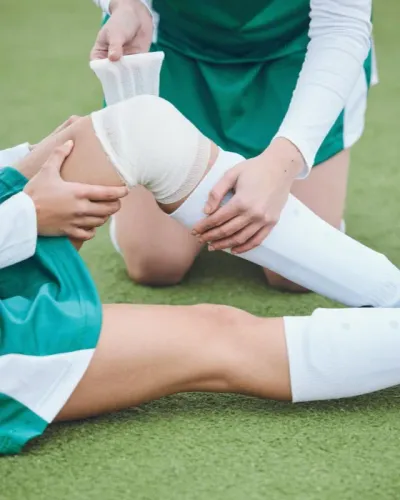
After an injury, protect the area and reduce aggravating activity at first, then progress to movement and loading as symptoms allow. Prolonged immobilisation can cause stiffness, weakness, and delayed recovery. Inability to bear weight, deformity, severe swelling, or suspected fracture needs assessment rather than a home rehabilitation plan alone.
Routine imaging is not always useful for typical osteoarthritis or uncomplicated low-back pain. X-rays or MRI scans add more value when the result could change treatment, symptoms are atypical, or the clinician suspects a fracture, serious condition, or another diagnosis.
A scan can show structural changes without identifying the true source of pain, so examination and functional limitations still guide treatment.
How conservative care compares with an operation
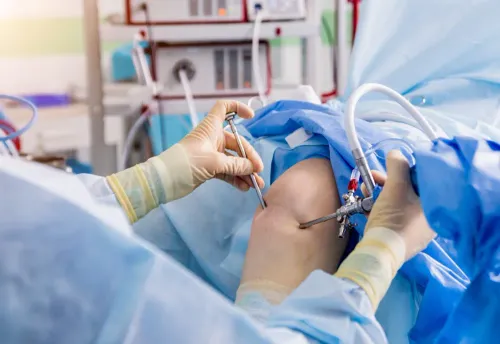
Conservative care usually avoids anaesthesia, hospital admission and an incision, but it demands consistent home exercise, follow-up and patience. Surgery can correct a displaced or damaged structure more directly, yet it still requires recovery and rehabilitation.
| Option | Practical advantages | Trade-offs |
|---|---|---|
| Conservative care | No wound care, admission or anaesthesia; lower immediate cost | Recovery depends on adherence; medicines, physiotherapy, travel and repeated visits add expense; work restrictions may continue while strength returns |
| Surgery | May stabilise an injury or repair a structural problem faster | Anaesthesia, hospital costs, wound care and postoperative pain; rehabilitation, activity limits and time away from work remain necessary |
| Both approaches | Can improve pain and function | Complications and recurrence remain possible; neither guarantees permanent relief |
Non-surgical recovery may take weeks or months, while surgical recovery varies by procedure and tissue healing. Surgery carries risks such as infection, blood clots, anaesthetic problems, nerve injury and stiffness; conservative care carries medication side effects, persistent weakness and delayed treatment if the diagnosis is wrong.
An injection may reduce pain for roughly 2 to 10 weeks without reversing degeneration. An operation also does not remove every cause of pain or prevent future strain, so symptoms can return after either approach.
The alternatives to orthopedic surgery in Pune depend on the diagnosis, injury stability, neurological findings, functional limitation and response to an appropriate treatment trial. A displaced fracture, unstable joint injury, progressive neurological deficit or failed well-supervised care warrants a surgical opinion.
How to decide whether non-surgical treatment is safe and worthwhile
A conservative plan is worthwhile when the working diagnosis matches the symptoms, the joint or spine is stable, and treatment can restore useful function. Judge it against these questions:
- How long have symptoms lasted, and what caused them? A recent sprain, tendon strain, early knee or hip osteoarthritis, or mechanical back pain often starts with rehabilitation. A displaced fracture, unstable injury, or progressive nerve problem needs a different pathway.
- What must you get back to? Your age, work, walking ability, sport, sleep, and degree of functional limitation set measurable goals. Failure to work, walk, climb stairs, or use a limb despite an appropriate trial warrants reassessment.
- What has already helped? Record the response to exercise, physiotherapy, medicines, bracing, or an injection. For osteoarthritis, strengthening and aerobic exercise improve function; clinically appropriate weight loss helps symptoms, with around 10% offering greater benefit than 5%.
- Are treatment risks reviewed? For knee osteoarthritis, topical NSAIDs may come before oral NSAIDs. Oral medicines require review of stomach, kidney, liver, and cardiovascular risks. Selected osteoarthritis cases may gain corticosteroid-injection relief for roughly 2 to 10 weeks.
Do not rely on routine non-surgical treatment alone after suspected fracture or dislocation, deformity, inability to bear weight, severe trauma, fever, a hot swollen joint, rapidly worsening pain, progressive weakness, saddle numbness, or new bladder or bowel-control problems.
A non surgical treatment for joint pain in Pune is safest when follow-up includes a clear escalation plan.
What happens during an orthopedic consultation for recovery in Pune
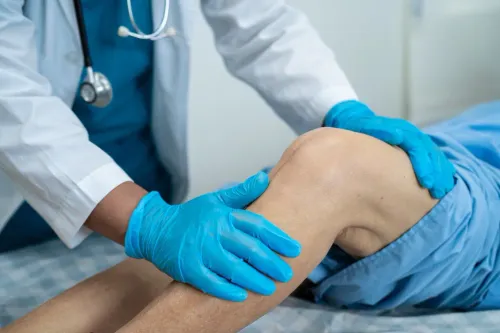
Pain relief alone is not the consultation’s endpoint. During an orthopedic consultation for recovery in Pune, the clinician will ask when symptoms began, how an injury happened, the pain pattern, sleep disruption, medicines, previous treatment, and which daily activities you cannot perform.
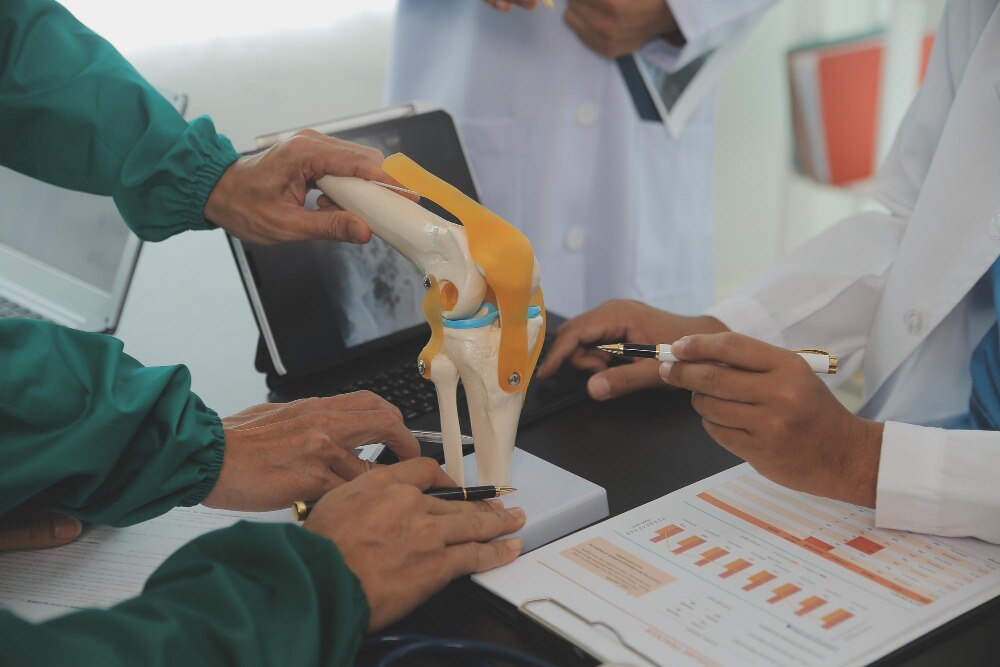
Expect a physical examination covering movement, strength, swelling, joint stability, and gait. Relevant X-rays or MRI reports and discs are reviewed; automatic imaging is unnecessary when the examination fits uncomplicated osteoarthritis or low-back pain and a scan would not change treatment.
| Consultation step | What you should leave knowing |
|---|---|
| Working diagnosis | What is causing the symptoms and what remains uncertain |
| Recovery plan | Expected improvement, treatment duration, rehabilitation goals, and safe activity limits |
| Follow-up | Review timing, warning signs needing urgent help, and criteria for another intervention or surgical opinion |
Prepare a short timeline with injury dates, prior diagnoses, medicines and supplements, imaging reports and discs, and a written list of activities pain prevents. Ask:
- What is the diagnosis?
- What improvement should I expect, and by when?
- Which home exercises are safe?
- What warning signs require urgent help?
- When is follow-up?
- What result would lead to another intervention or a surgical opinion?
Chordiya Clinic in Swargate can provide a local setting for this structured assessment. A consultation may lead to exercise, medicines, bracing, or referral; it does not automatically mean surgery.
Related service
Consultation Consultation we shall be addressing to your chief complaints and associated health related queries. |
How to monitor progress before changing the plan
Judge progress with two separate scores: pain and function. Record pain intensity separately from walking distance, stair use, grip or range of motion, sleep, work tolerance, swelling, and activities you can resume. Exercise-related soreness does not automatically mean harm; worsening function matters more.
- Record your baseline, then repeat the same measures at the agreed review point. A physiotherapist can adapt strengthening, aerobic exercise, manual therapy, or return-to-sport loading to your mobility, fitness, age, and other health conditions.
- Continue activity for low-back pain unless a clinician advises otherwise. Exercise and remaining active are central; traction, acupuncture, and routine belts or corsets are not generally recommended. Manual therapy belongs with an exercise programme, not instead of one.
- Request reassessment if function worsens, swelling increases, new numbness or weakness appears, or there is no meaningful improvement by the agreed review point. New bladder or bowel problems or saddle numbness require urgent assessment.
This process makes non surgical orthopedic care in Pune measurable rather than open-ended. The alternatives to orthopedic surgery in Pune depend on the diagnosis, response, and escalation findings, not on pain alone.
Non-surgical care is worth considering when the diagnosis is suitable, risks are reviewed, goals are measurable, and follow-up includes a clear route to escalation if recovery stalls.
Frequently asked questions
What does non-surgical orthopedic care include?
It can include activity changes, physiotherapy, prescribed medicines, topical or oral anti-inflammatory treatment when safe, injections, braces, rehabilitation, weight management, and progress monitoring.
How does conservative care compare with orthopedic surgery?
Non-surgical care avoids an operation and its recovery demands, but it may take longer and may not correct structural problems that require surgery. The right option depends on the diagnosis, symptoms, function, and response to treatment.
How can you decide whether non-surgical treatment is safe?
Ask for a specific diagnosis, identify symptoms that need urgent assessment, review medicine risks, and agree on treatment goals and a date to reassess progress.
What happens during an orthopedic consultation for recovery in Pune?
The clinician reviews your symptoms, injury or medical history, movement, strength, function, and relevant scans or tests before discussing treatment options and monitoring steps.
How should you monitor progress before changing treatment?
Record pain, range of movement, strength, walking or activity tolerance, medicine use, and daily function. Review the plan when progress stalls, symptoms worsen, or new warning signs appear.
Keywords