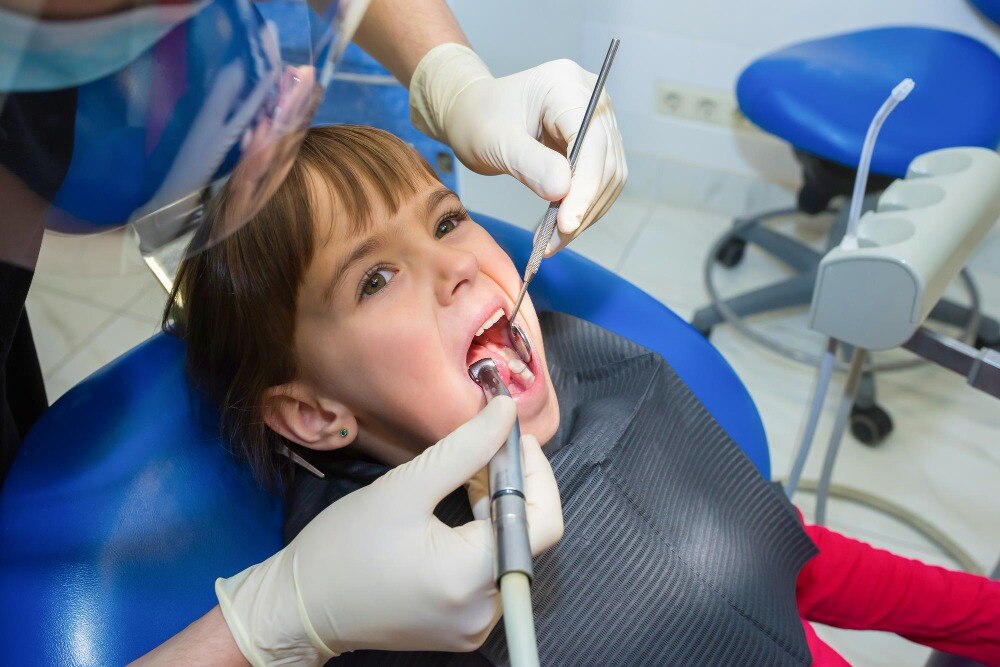
Parents need to know whether a child’s dental problem can wait for a standard appointment, what details to share when calling, and how to prepare the child for the visit. By following the steps below, you can request the right appointment, recognise urgent warning signs, and arrive with the information needed for an efficient consultation.
Key takeaways
- Seek urgent care for facial swelling with fever or bleeding that will not stop.
- Choose a routine or urgent visit based on symptoms and how quickly they worsen.
- Pack dental records, medication details, and your child’s medical history.
- Ask about follow-up timing and the clinician’s experience caring for children.
Check whether your child needs a routine slot or urgent care
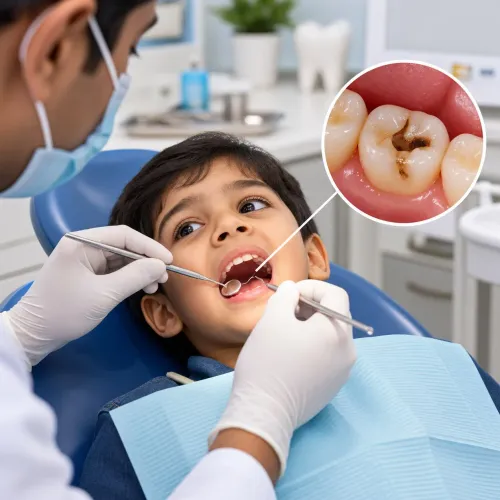
A mild toothache, suspected cavity, loose filling, or routine check belongs in a standard pediatric dentist appointment in Swargate. Seek urgent dental assessment instead if facial swelling occurs with fever, symptoms worsen rapidly, bleeding will not stop after firm pressure, or your child is dehydrated.
Breathing difficulty, trouble swallowing, or swelling affecting the neck or airway requires emergency medical care.
When requesting a pediatric dentist appointment swargate, tell the clinic:
- Your child’s age and the affected tooth or mouth area
- The symptom’s duration and pain severity
- Any fever, facial swelling, or bleeding
- Any recent fall, blow, or other dental injury
- Previous dental treatment
- Current medicines, allergies, and medical conditions
For a knocked-out baby tooth, do not put it back into the socket; reimplantation can harm the developing permanent tooth. For a knocked-out permanent tooth, seek immediate help.
Place it back in the socket only if you can do so safely without forcing it; otherwise, keep it in milk or a tooth-preservation medium while travelling for care. Do not let the tooth dry out. A routine booking is not a substitute for emergency assessment when these warning signs are present.
Request the appointment and choose the correct visit type
Use the phone, online form, or Chordiya Clinic’s stated messaging channel to request a slot. Send the parent’s name and mobile number, child’s full name and age, affected tooth or area, main symptom, duration, pain severity, swelling or trauma details, previous treatment, medicines, allergies, and medical conditions. Include two preferred appointment times.
| Visit type | Choose it for | Details to report |
|---|---|---|
| Routine check-up | Preventive review | Last dental visit and concerns |
| Toothache or suspected cavity | Pain or decay concern | Pain duration, severity, eating or sleep changes |
| Broken-tooth or dental-injury slot | Recent trauma | Injury time, broken or displaced tooth, bleeding |
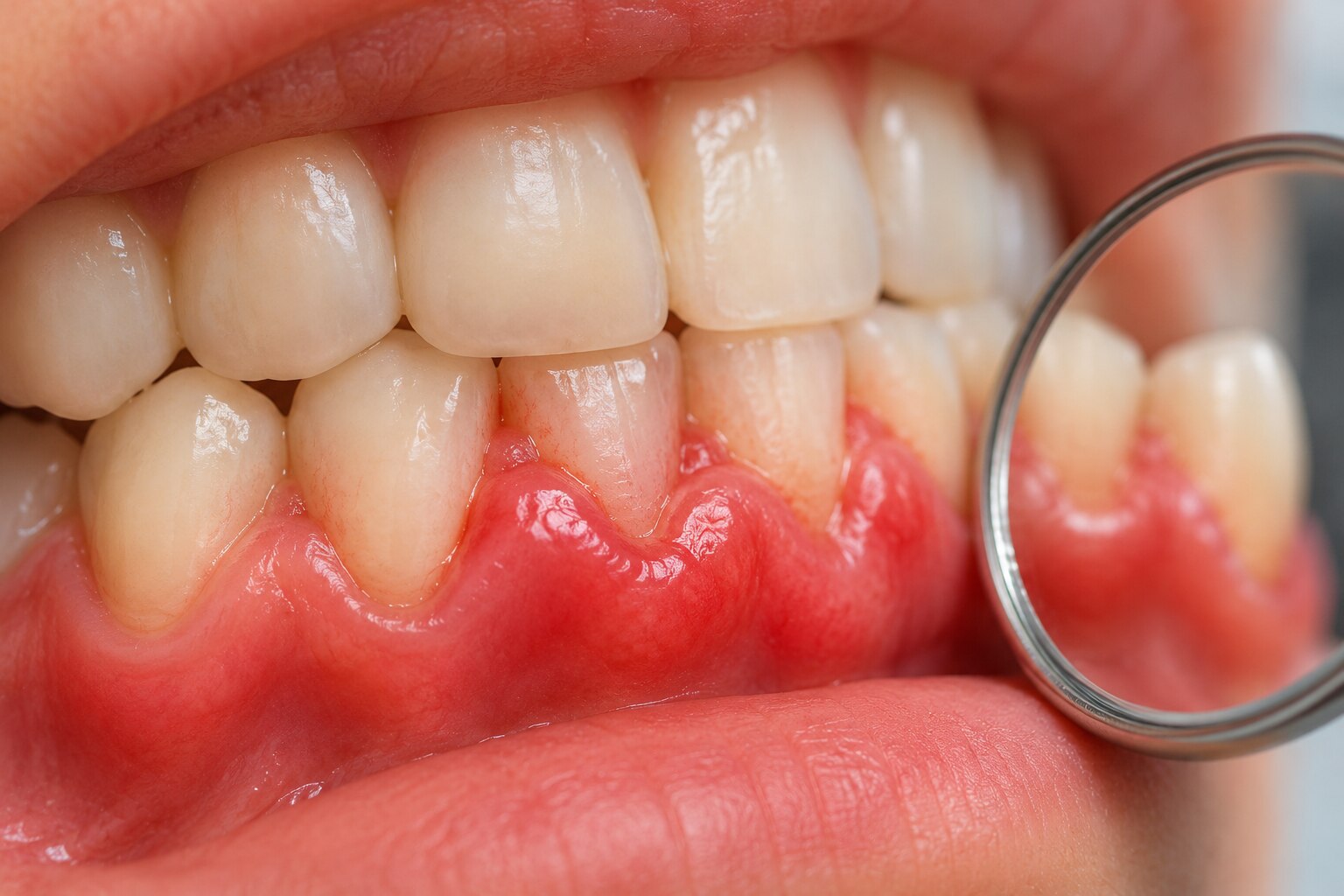
| Gum-problem visit | Bleeding or swelling | Fever, facial swelling, drainage |
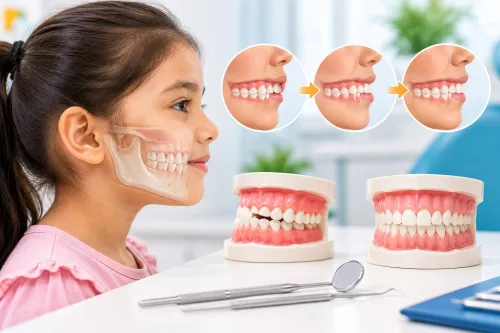
| Orthodontic assessment | Bite or tooth-position concern | Crowding, protrusion, jaw discomfort |
| Second-opinion consultation | Review of another plan | Existing records, X-rays, and proposed treatment |
Ask the clinic to confirm the date, time, exact location, expected duration, clinician, cancellation policy, and whether the visit is consultation-only or could include same-day treatment. Confirm whether appointments are required, whether walk-ins are accepted, and how far ahead routine slots are released; a walk-in never guarantees care.
When you book a child dental consultation in swargate in pune, ask about access, parking, payment methods, and urgent-triage procedure rather than assuming the slot provides emergency care.
A kids dental consultation booking in pune should also confirm whether the clinician treats children, anxious patients, special healthcare needs, and dental trauma, and whether referral is available.
Related service
Consultation Consultation we shall be addressing to your chief complaints and associated health related queries. |
Prepare your child and pack the records the dentist will need
Tell your child the dentist will look at the teeth, count or photograph what is visible, and explain each step. Do not promise that nothing will hurt or that no treatment will happen. Promise that you will stay calm, listen, and help the child ask questions.
Let the child eat normally unless the clinic gives fasting instructions.
1. Pack previous dental records, X-ray reports or images, a current medication list with doses, allergy details, medical-condition information, insurance or payment documents, and the child’s identification or health record if requested.
2. Write down the last meal, any recent pain medicine, the time of an injury, and changes in eating, drinking, sleep, or behaviour. Give these details to the child dental clinic near Swargate.
3. If your child is afraid or refuses to enter, do not threaten, shame, or force the examination. Ask about gradual acclimatization, tell-show-do, distraction, or a short introductory visit.
4. If sedation is proposed, ask whether it is nitrous oxide, oral sedation, or general anesthesia; what sedation level is planned; who will administer and monitor it; which fasting rules apply; what emergency equipment and qualifications are available; and what discharge instructions you must follow.
Know what happens during the consultation
Expect the dentist to begin with questions, not drills or X-rays. The consultation usually follows this sequence:
1. The dentist reviews the child’s symptom history, medical conditions, medicines, allergies, previous treatment, diet, feeding and drinking patterns, and brushing habits. A kids dental consultation booking in pune should lead to an assessment of habits that cause decay, not only the tooth that hurts.
2. The examination covers the teeth, gums, mouth tissues, bite, visible decay, trauma, and signs of infection. X-rays are not automatic: the dentist considers age, cooperation, symptoms, caries risk, previous images, and whether a new image will change treatment.
3. The discussion may cover caries risk, fluoride toothpaste, diet changes, topical fluoride, and sealants for susceptible pits and fissures. Follow-up depends on oral-health risk, so do not assume every child needs a six-month recall.
4. For children younger than 3, use a rice-grain smear of fluoride toothpaste twice daily. From age 3 through 6, use a pea-sized amount; supervise brushing and ask the child to spit. Water is safer between meals and at bedtime than juice, sweet drinks, or milk in a sleep-time bottle.
The appointment may end with monitoring, preventive care, a treatment plan, referral, or a later procedure. Same-day invasive treatment is not automatic, especially when the child needs time to cooperate or the dentist must review findings first.
Confirm the follow-up plan and the clinician’s child-care experience
Before leaving, ask which finding needs attention first, which symptoms require a call back, whether your child can eat and brush normally, and when the next visit is due. Ask which documents and dental radiographs to retain, and get the answers written on the treatment plan.
A listing for a child dental clinic near swargate does not prove pediatric-dentistry training. Ask these specific questions:
| Area | Question to ask | Why it matters |
|---|---|---|
| Young children | Does the treating dentist routinely manage young children? | Confirms experience with age-specific communication and examinations. |
| Anxiety | Does the dentist routinely manage anxious children? | Reveals whether gradual acclimatization, tell-show-do, or distraction is available. |
| Special healthcare needs | Does the dentist treat children with special healthcare needs? | Identifies whether medical, behavioural, or communication needs fit the clinic. |
| Trauma and referral | Does the dentist routinely manage dental trauma, and where are cases beyond the clinic’s scope referred? | Clarifies emergency capability and the next service if specialist care is needed. |
| After-hours contact | Who should you contact after hours if swelling, pain, bleeding, or fever worsens? | Prevents a deteriorating problem from waiting until the next appointment. |
Keep the written estimate, prescriptions, imaging instructions, retained radiographs, and follow-up date together. Another clinician can then understand the care plan quickly if an urgent problem develops.
Frequently asked questions
Does my child need a routine dental appointment or urgent care?
Book a standard pediatric dentist appointment for a mild toothache, suspected cavity, loose filling, or routine check. Seek urgent dental assessment for facial swelling with fever, rapidly worsening symptoms, bleeding that does not stop after firm pressure, or dehydration.
How do I book a pediatric dentist appointment in Swargate?
Request the appointment, describe your child’s symptoms, and select the correct visit type. Tell the clinic if the problem is urgent so staff can advise you on timing and preparation.
What should I bring to my child’s dental consultation?
Pack previous dental records, X-rays if available, a list of medicines and allergies, relevant medical history, and details about when the symptoms began.
What happens during a child dental consultation?
The clinician reviews your child’s symptoms and history, examines the teeth and mouth, discusses any recommended tests or treatment, and explains the follow-up plan.
Keywords