A child’s swollen gum can result from teething, trapped food, plaque, an erupting tooth or an infection, and the appearance alone does not reveal which one is responsible. You will learn how to check the swelling, identify emergency warning signs, provide safe short-term care and decide when a pediatric dentist needs to examine your child.
Key takeaways
- Pus, facial swelling, severe pain, or fever needs prompt dental or medical care.
- Teething does not cause a child to look unwell or develop facial swelling.
- Rinse away trapped food and avoid squeezing, popping, or applying aspirin to the gum.
- Bring symptom timing, medicines, dental history, and photos to the appointment.
What causes swollen gums in children, and when is it more than teething?
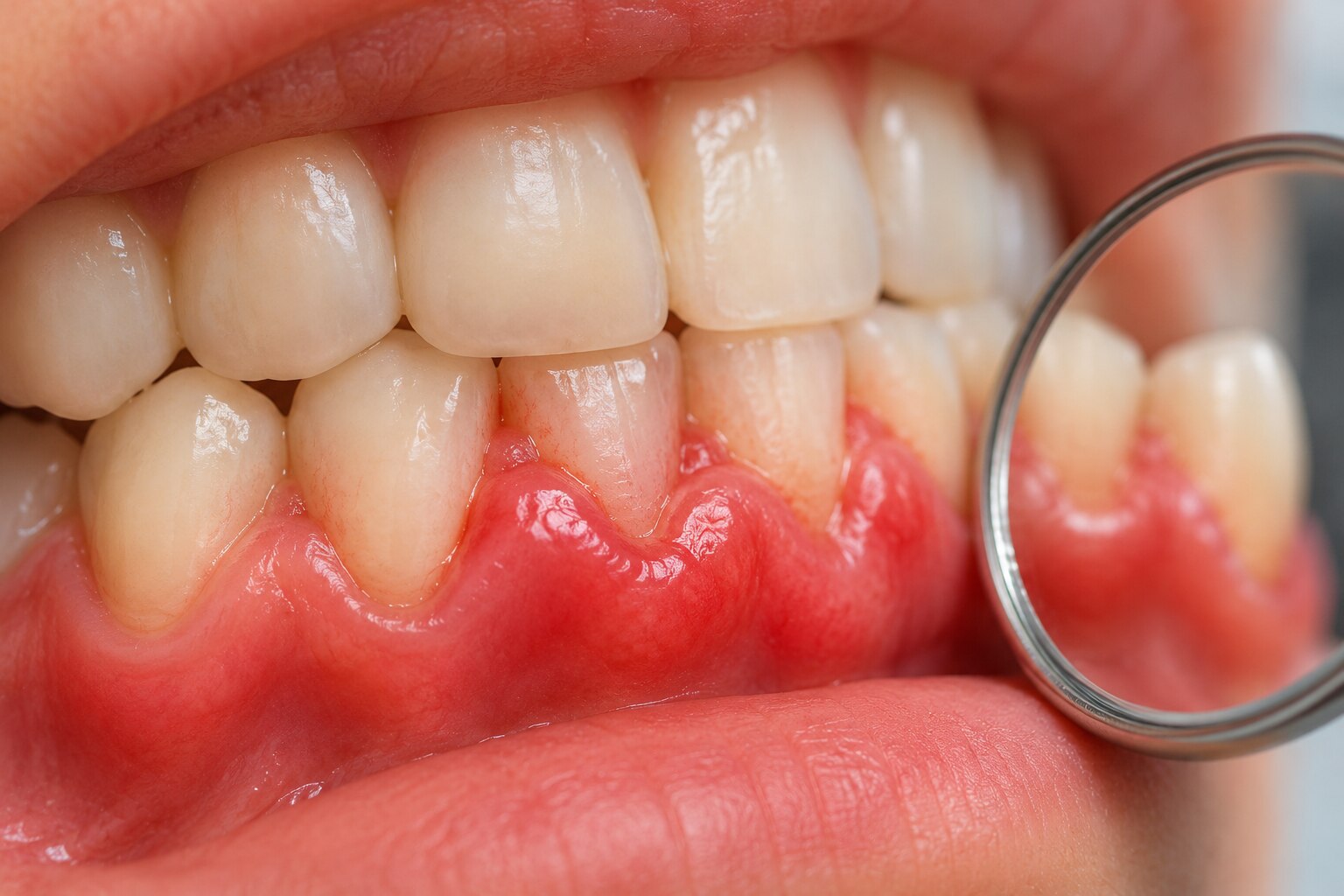
A tender, red lump over one tooth can be normal teething or eruption, but swollen gums in children also arise from plaque-related gingivitis, trapped food, injury, orthodontic appliances, infection, or illness. Teething does not explain pus, facial swelling, severe pain, or a child who looks unwell.
| Finding | More consistent with teething or eruption | Needs dental or medical assessment |
|---|---|---|
| Location | One small area over a loose, erupting, or newly appearing tooth | Swelling beside a decayed tooth, around an appliance, or across several areas |
| Appearance | Mild redness and puffiness | Pus, a draining spot, marked redness, an ulcer, or bluish-black swelling after injury |
| Symptoms | Soreness that settles as the tooth appears | Severe toothache, fever, facial swelling, difficulty opening the mouth, swallowing, or breathing |
| Duration | Improves within several days | Persists, enlarges, or repeatedly returns |
Brush gently twice daily and floss between teeth when food is trapped; forcing an object into the gum can worsen an injury. A localised swelling beside decay may be a dental abscess, which needs treatment of the source tooth rather than leftover antibiotics or painkillers alone.
Viral illness can cause widespread sore gums, ulcers, rash, fever, poor drinking, or dehydration.
Recurrent swelling with spontaneous bleeding, easy bruising, pallor, or persistent fever needs medical review as well as dental care. Parents searching for swollen gums children advice or a kids dentist Wanowrie should arrange assessment instead of treating persistent changes as ordinary teething.
Good kids oral care begins with the first tooth, and the first dental visit should happen by 12 months.
Which swollen-gum symptoms need urgent dental or medical care?
Do not wait for a routine appointment if gum swelling affects the face or neck, spreads quickly, or changes how your child breathes, swallows, drinks or opens their mouth. Use this urgency guide:
| Sign | Action | Why it matters |
|---|---|---|
| Facial or neck swelling; difficulty breathing or swallowing; drooling; inability to open the mouth normally; rapidly worsening swelling | Seek emergency medical help now | Infection can threaten the airway or spread into deeper tissues |
| Fever, pus, severe toothache, or swelling beside a decayed tooth | Arrange same-day dental care with a pediatric dentist | These signs can indicate an abscess requiring treatment of the source tooth, not only pain relief |
| Repeated swelling, spontaneous gum bleeding, easy bruising, pallor, or persistent fever | Arrange medical evaluation as well as dental review | Generalised or persistent changes can accompany illness beyond the mouth |
| A small, localised tender area over an erupting tooth, with no fever and a child who remains well | Book a prompt dental appointment and monitor | This pattern is less urgent, but child dental care should confirm that eruption is progressing normally |
Go urgently if your child cannot keep fluids down, urinates much less than usual, or appears unusually sleepy. Do not rely on leftover antibiotics; they do not remove an infected tooth. When calling, report when the swelling began, how fast it changed, the child’s temperature, and whether breathing or swallowing is affected.
What should parents check and do before the appointment?
Before the appointment, document what changed and keep the area clean without poking it. Continue gentle kids oral care. A short record helps the dentist distinguish an erupting tooth, trapped food, injury or infection.
1. Take a clear photograph in daylight today, placing a ruler beside the child’s face for scale. Note the start time, exact location, colour, size, bleeding, pus, pain, fever, eating and drinking; repeat the photo if it enlarges.
2. Wash your hands, help the child brush gently with a soft toothbrush, and floss beside the swollen tooth only when food is visibly trapped and floss passes without force. Do not squeeze the gum, pierce it, or apply aspirin, clove oil or spirit.
3. Offer water and soft, cool foods. A child who can reliably spit may rinse with plain lukewarm salt water; do not use this for a child who will swallow it. Avoid very hot, spicy or hard foods.
4. For pain, use children’s paracetamol or ibuprofen only when the label or a pharmacist confirms it suits the child’s age, weight and health. Measure with the supplied syringe, never give aspirin, and do not combine products containing the same ingredient.
5. Tell the clinic about recurrent swelling, spontaneous bleeding, easy bruising, pallor or persistent fever. These symptoms need medical evaluation alongside child dental care. Facial or neck swelling, breathing or swallowing difficulty, drooling or rapid worsening requires emergency care.
How does a pediatric dentist investigate a child’s swollen gum?
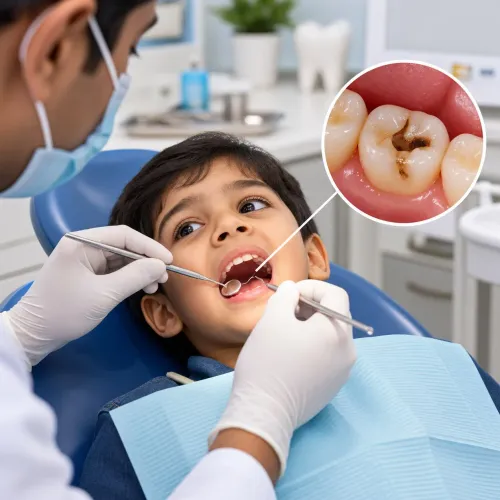
A pediatric dentist examines the swollen area, the teeth beside it and the child’s overall mouth before deciding on treatment. They check gum colour, tenderness, bleeding, pus, trapped food, ulcers, tooth decay, loose or erupting teeth, injuries and irritation from braces or other appliances.
They also feel for facial swelling and ask about fever, pain, drinking, medicines and how long the change has lasted.
An X-ray is useful when the cause lies below the gum or inside a tooth, such as hidden decay, an abscess, an impacted or erupting tooth, a foreign object or an injury. It is not needed for every red patch.
| Finding | What it may indicate | Next step |
|---|---|---|
| Swelling beside one painful tooth | Decay or abscess | Prompt dental treatment and possible X-ray |
| Widespread sore gums with ulcers, rash or fever | Viral illness or another medical problem | Medical assessment, especially if drinking falls |
| Recurrent swelling with bruising, pallor or spontaneous bleeding | Possible systemic condition | Dental review plus medical referral |
Parents searching “kids dentist wanowrie” should confirm the clinician has paediatric training, child-sized examination equipment, suitable X-ray access and a clear emergency arrangement. Searchers using “swollen gums children kids dentist wanowrie” should also ask how quickly the child can be assessed and where medical referrals go.
Chordiya Clinic can be compared by asking what its consultation covers and when it refers children for medical investigation.
Related service
Consultation Consultation we shall be addressing to your chief complaints and associated health related queries. |
How can families prevent recurrent gum swelling?
Preventive kids oral care starts with brushing twice daily using fluoride toothpaste and cleaning between teeth once a day where contacts are tight. Use a rice-grain smear for children under 3 and a pea-sized amount from ages 3 to 6; teach the child to spit rather than swallow.
- Brush around every bracket, band and gumline with an orthodontic brush if an appliance is fitted.
- Remove a removable plate or aligner before brushing, clean it with a soft brush and cool water, and store it in its ventilated case.
- Do not use hot water on plastic appliances; heat can distort their fit.
- Rinse after sticky or sugary snacks, and avoid repeatedly sipping sweet drinks.
- Arrange the first dental visit when the first tooth appears and no later than 12 months of age.
Book follow-up according to the child’s caries risk, age, gum findings and medical needs, not an automatic six-month rule. A high-risk child may need more frequent fluoride, hygiene and diet reviews. Ask the dentist to check crowded areas and appliance fit when swelling returns.
Recurring swelling with spontaneous bleeding, easy bruising, pallor or persistent fever needs medical evaluation alongside dental care. Seek urgent help for facial or neck swelling, breathing or swallowing difficulty, drooling, inability to open the mouth normally or rapidly worsening swelling.
A kids dentist can coordinate child dental care while a doctor investigates signs that extend beyond the mouth.
Frequently asked questions
What causes swollen gums in children, and when is it more than teething?
Common causes include teething or tooth eruption, plaque-related gingivitis, trapped food, injury, orthodontic appliances, and dental infection. Pus, facial swelling, severe pain, fever, or a child who looks unwell points beyond normal teething.
Which swollen-gum symptoms need urgent dental or medical care?
Seek prompt dental care for pus, worsening pain, a gum boil, swelling around a tooth, or difficulty eating. Get urgent medical help when facial or neck swelling affects breathing or swallowing, or when the child has fever and appears unwell.
What should parents check and do before the appointment?
Note when swelling began, its location, pain, fever, discharge, injury, new teeth, medicines, and recent dental treatment. Gently clean the area, offer fluids, avoid squeezing the swelling, and do not place aspirin on the gum.
How does a pediatric dentist investigate a child’s swollen gum?
A pediatric dentist examines the gum, teeth, bite, plaque, eruption pattern, injuries, and appliances. The dentist may gently test the tooth and request an X-ray when decay, an impacted tooth, or infection needs investigation.
How can families prevent recurrent gum swelling?
Brush twice daily with fluoride toothpaste, clean between teeth when contacts are tight, limit frequent sugary drinks and snacks, manage appliances as instructed, and attend regular child dental check-ups.