A developing bite can look uneven during the transition from baby teeth to permanent teeth, yet some changes signal a problem with chewing, jaw movement, eruption or facial growth. You will learn what an assessment checks, which signs justify an appointment, what records may be requested and how to compare monitoring with early or comprehensive treatment.
Key takeaways
- A bite assessment checks growth, eruption, chewing and jaw function—not just straight front teeth.
- Tell the dentist about thumb sucking, pacifier use, trauma, allergies and family bite patterns.
- Seek advice for crossbite, persistent mouth breathing, chewing difficulty, crowding or delayed eruption.
- Ask whether monitoring, habit changes, an appliance or referral fits your child’s growth stage.
What a child bite consultation examines beyond straight front teeth
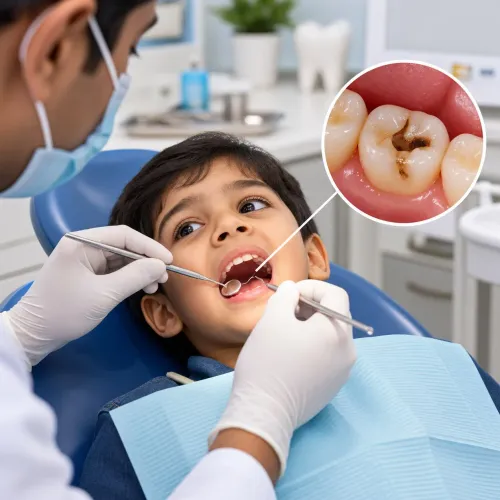
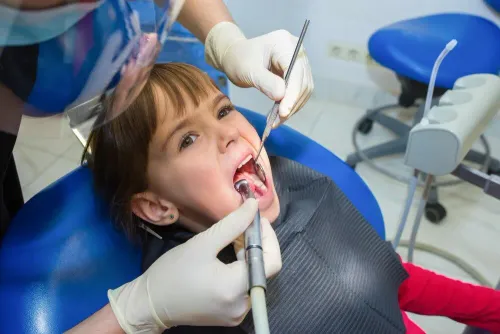
A child bite consultation for Swargate examines growth, function and oral health—not just whether the front teeth look straight. The clinician reviews medical and dental history, medications, allergies, trauma, family bite patterns and oral habits such as thumb sucking or pacifier use, then checks teeth, gums, decay, plaque and eruption before considering an appliance.
1. The examination records facial symmetry, dental midlines, overjet, overbite, crossbite, open bite, crowding, spacing, jaw opening and side-to-side movement. The clinician asks about pain, clicking, locking, chewing, speech and uneven tooth wear, and observes whether the child shifts the lower jaw to bite.
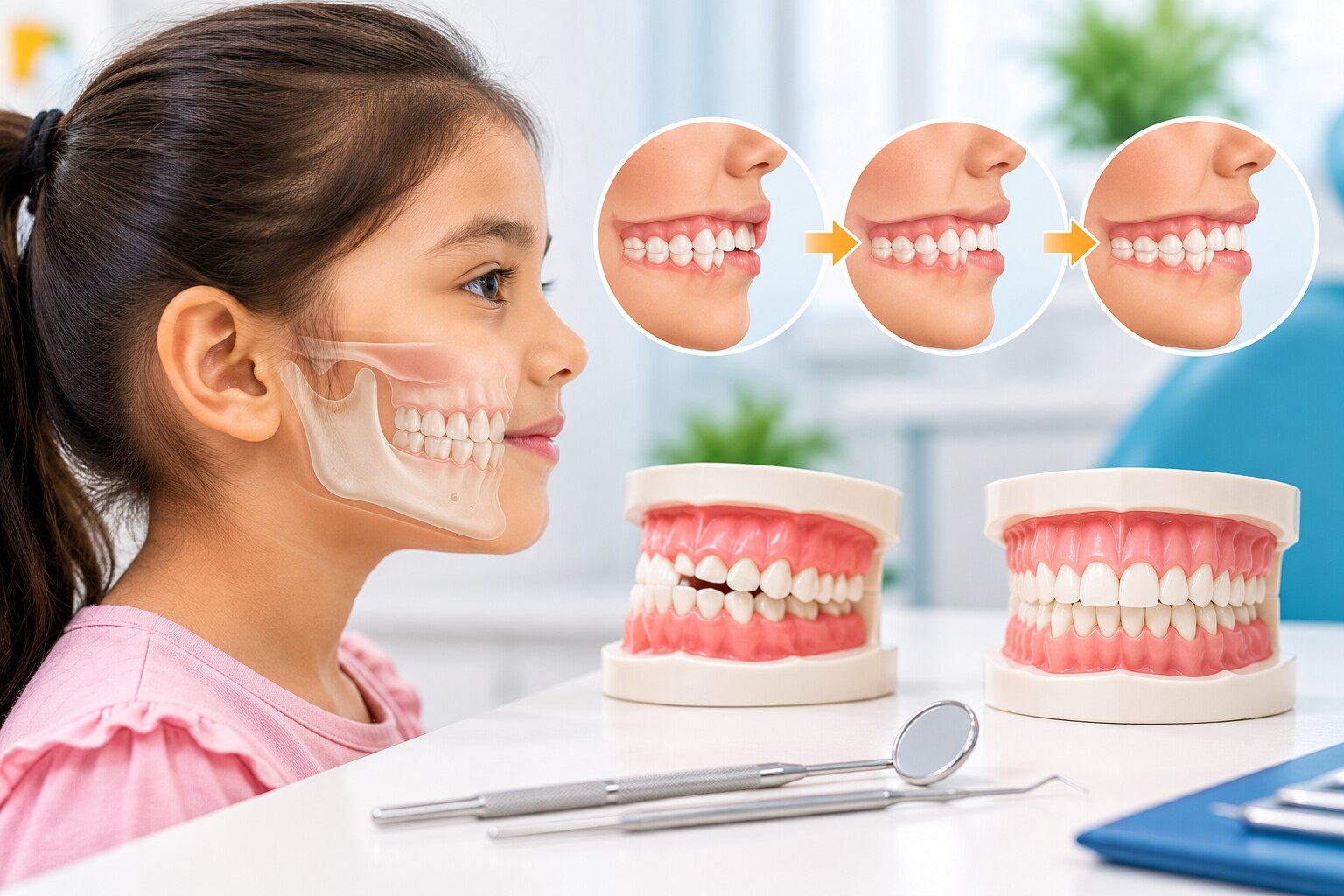
2. A child jaw alignment consultation separates tooth position from jaw structure. Tipped teeth can create a crossbite even when the jaws are adequately shaped; a narrow upper jaw, lower-jaw asymmetry or an anteroposterior mismatch points to a skeletal discrepancy that may need growth monitoring or orthopedic care rather than simple tooth straightening.
3. Records follow the diagnostic question. Photographs, dental impressions or digital scans can document relationships; a panoramic radiograph evaluates developing, missing, delayed or displaced teeth, while a lateral cephalogram measures jaw relationships. Other imaging is chosen only when examination findings justify it.
Routine X-rays are not automatic for every child because radiation exposure has no benefit when there is no specific question. Age, eruption stage, symptoms, caries risk and examination findings determine whether imaging is useful. Active decay or gum disease must be addressed before fixed appliances add plaque-retention sites and increase enamel-damage risk.
How dentists identify overbite, crossbite, crowding and eruption problems
A dentist checks how the teeth meet in the child’s usual bite, with lips relaxed and again while opening, closing and moving the jaw. For a kids bite problem, a dentist in Swargate may record:
| Finding | Clinical check | What it indicates |
|---|---|---|
| Overbite | How much the upper incisors vertically cover the lower incisors | Excessive overlap, or a deep bite |
| Overjet | Horizontal distance between upper and lower incisors | Prominent upper incisors or a reversed relationship |
| Underbite | Whether lower front teeth sit ahead of upper front teeth | Anterior jaw or tooth-position discrepancy |
| Anterior crossbite | One or more upper front teeth bite behind lower teeth | Reversed front-tooth contact |
| Posterior crossbite | Upper back teeth bite inside the lowers | A narrow upper arch or tipped teeth; repeated lower-jaw shifting needs attention because it is functional displacement, not appearance alone |
| Open bite | Front or side teeth remain apart when back teeth contact | Habit, eruption or skeletal influence |
| Crowding | Teeth overlap, rotate or lack visible room | Inadequate space |
| Spacing | Gaps occur between teeth | Normal development or missing, small or displaced teeth |
| Midline deviation | Upper and lower dental centre lines do not align | Tooth displacement, jaw asymmetry or a functional shift |
The dentist also looks for early loss of baby teeth, retained primary teeth, ectopic eruption and a permanent tooth emerging out of position. These findings can justify monitoring, a space maintainer or interception; they do not prove comprehensive braces are needed.
Spacing and mild crowding can occur normally during mixed dentition. Arrange prompt assessment for a trapped permanent tooth, traumatic prominent incisors or a persistent functional shift.
Signs that make a child jaw or bite appointment worthwhile
Difficulty chewing, unclear speech, or persistent mouth breathing justify an appointment, especially when these problems affect daily activities or sleep. Arrange an evaluation if you notice:
- Thumb or finger sucking, or pacifier use that continues after permanent incisors begin erupting
- Jaw clicking with pain, locking, restricted opening, chewing difficulty, trauma, or limited movement
- Headaches that appear during or after chewing
- Uneven tooth wear, facial asymmetry, early or late loss of baby teeth, or a permanent tooth erupting out of position
A clinician assessing an oral habit will ask how often it occurs, how long each episode lasts, how forcefully the child sucks, and whether the habit continues during sleep. Frequency, duration, and intensity matter more than the label alone.
Clicking without pain does not automatically indicate a joint disorder or require a bite-changing appliance. Clicking accompanied by pain, locking, trauma, chewing limitation, or restricted movement deserves closer assessment.
| Finding | Why review timing matters | Usual decision |
|---|---|---|
| Increased overjet with prominent upper incisors | A fall or collision can injure exposed incisors | Timely review when trauma risk is high |
| Mild crowding alone | Appearance may change as permanent teeth erupt | Observation often fits |
| Persistent functional symptoms | Chewing, speech, or movement is affected | Arrange evaluation |
For families seeking a pediatric orthodontic evaluation in Swargate or a child bite consultation for Swargate, these signs provide a practical starting point.
When age and growth change the treatment decision
The American Association of Orthodontists recommends an orthodontic check-up by age 7, when the first permanent molars and incisors are erupting. A pediatric orthodontic evaluation in Swargate is an assessment, not an automatic prescription for braces. The clinician considers eruption stage, family history of jaw discrepancies, facial symmetry and the child’s growth pattern.
| Pathway | What happens | When it applies |
|---|---|---|
| Monitoring | Record photographs, eruption and bite changes, then review at scheduled intervals | Mild crowding or a developing bite that is not harming function or blocking eruption |
| Interceptive treatment | Address a specific problem before all permanent teeth erupt | Developing posterior crossbite, severe crowding blocking eruption, harmful oral habits, traumatic increased overjet or eruption disturbance |
| Comprehensive braces | Align most permanent teeth after fuller eruption | Persistent tooth-position or bite problems requiring complete correction |
Early treatment for prominent upper incisors can reduce incisor-trauma risk in selected children with a high overjet. It does not consistently produce a better final occlusion than later treatment, and it can create a longer total treatment period with more appointments.
A child jaw alignment consultation must separate tipped teeth from a narrow upper jaw, lower-jaw asymmetry or an anteroposterior jaw mismatch. Growth-dependent jaw orthopedics cannot be promised after a short course: response varies, growth continues, and a later phase may still be needed after permanent teeth erupt.
How to prepare for the consultation and choose a sensible next step
Bring a complete history, not just a photograph of the child’s teeth. For a child bite consultation for Swargate, pack:
- Previous dental records, treatment notes and radiographs, including the date and reason for each image.
- The child’s medical history, current medication list and allergy information.
- Oral-habit details: thumb or finger sucking, pacifier use, mouth breathing, frequency, duration and whether the habit continues during sleep.
- A timeline of baby-tooth loss and permanent-tooth eruption, noting teeth that were late, early, retained or emerging out of position.
Ask the clinic to separate an active problem from a developing pattern that needs observation. A kids bite problem dentist in Swargate should explain the plan in specific terms.
| Question | Why it matters | Sensible next step |
|---|---|---|
| What problem are we treating now? | A tooth-position issue differs from a narrow upper jaw or jaw asymmetry. | Treat, monitor growth or coordinate referral. |
| What can safely be monitored, and how often? | Unnecessary early treatment adds time and cost. | Set a review date tied to eruption or growth. |
| Which records or imaging are necessary? | Routine X-rays are not required for every bite visit. | Choose imaging only for a defined diagnostic question. |
| What would trigger treatment or referral? | Airway symptoms, facial asymmetry or significant jaw pathology may need another specialist. | Record clear warning signs. |
| Must caries or gum disease be treated first? | Active disease can make orthodontic planning unsafe. | Stabilise dental health before bite treatment. |
Chordiya Clinic can provide a practical local starting point, with pediatric dental assessment and coordination of orthopedic concerns when a complex problem needs specialist input. The useful outcome is a documented plan, not a promise of braces.
Related service
Consultation Consultation we shall be addressing to your chief complaints and associated health related queries. |
Frequently asked questions
What does a child bite consultation examine beyond straight teeth?
The dentist reviews growth, jaw function, chewing, oral habits, medical history, decay, gums, eruption and tooth alignment.
How do dentists identify overbite, crossbite, crowding and eruption problems?
They examine how the upper and lower teeth meet, compare jaw width and tooth position, and assess spacing, eruption sequence and retained or missing teeth.
What signs make a child jaw or bite appointment worthwhile?
Book an assessment for chewing difficulty, speech concerns linked to tooth position, mouth breathing, thumb sucking, crossbite, severe crowding or delayed eruption.
How does age change a child’s bite treatment decision?
The dentist considers remaining growth, erupted teeth and the timing of jaw or tooth changes before recommending monitoring, habit correction, an appliance or referral.
How should you prepare for a child bite consultation?
Bring medical and dental records, medication and allergy details, information about habits or trauma, and your questions about treatment timing and follow-up.
Keywords