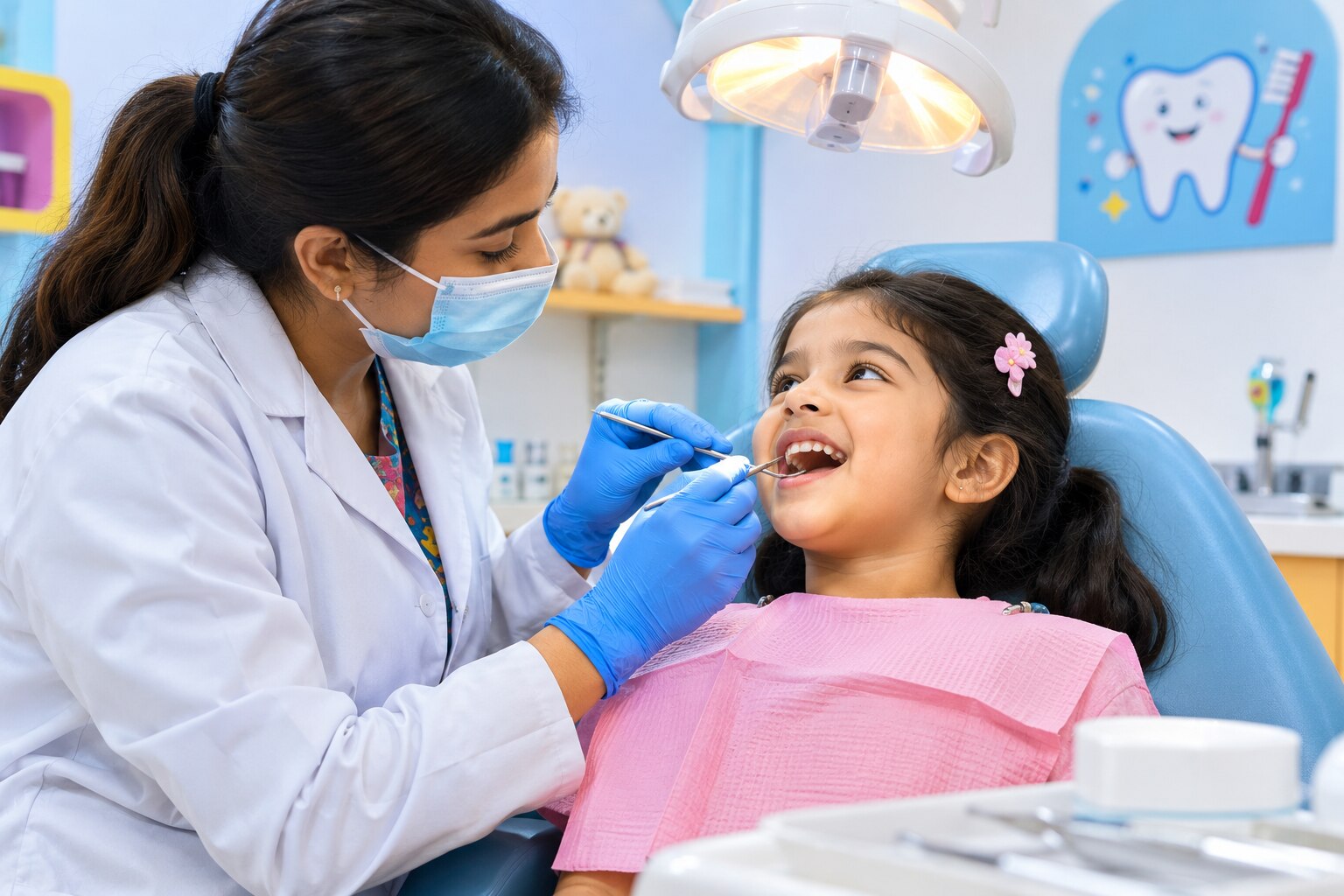
You may be unsure whether your child needs a routine check, an X-ray, or urgent treatment, especially when there is no visible cavity or pain. By the end, you will know how registration, the examination, behaviour guidance, imaging decisions, and next steps usually fit together.
Key takeaways
- Bring previous dental records, medication details, and your child’s questions.
- Tell the dentist about pain, swelling, trauma, sensitivity, or changes in eating.
- A consultation does not automatically mean treatment or dental X-rays.
- Seek prompt dental care for facial swelling, fever, or trouble swallowing.
From Registration to the Treatment Room: What Happens First
Registration usually takes a few minutes, followed by a short wait before the child meets the kids dentist. Staff confirm the child’s name, age, contact details, appointment reason, and any previous dental records; tell them about urgent pain or swelling rather than waiting quietly.
The visit commonly moves through these steps:
- A parent or guardian completes the medical and dental history, including medicines, allergies, earlier treatment, and relevant developmental or behavioural concerns.
- The dentist speaks with both adult and child about the concern, daily brushing, eating and drinking habits, thumb-sucking or pacifier use, sleep, and any dental injury.
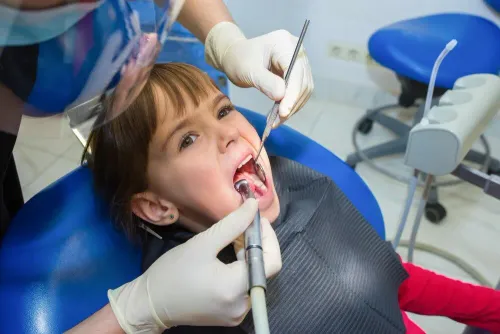
- The child enters the treatment room for the examination and discussion of what happens next.
A parent or guardian normally stays with a young, frightened, or dependent child in the treatment room. The dentist can address simple questions directly to the child, let them describe pain in their own words, and explain each step before proceeding.
For an older child, the dentist may offer part of the conversation privately while keeping the parent involved in consent and decisions; ask about the clinic’s policy if this matters to you.
For a kids dentist consultation for Gangadham, arrive early enough for registration and bring a list of medicines, allergy details, and information about the child’s last dental visit. Do not pressure a nervous child to perform; calm reassurance helps the dentist build cooperation.
The Questions and Examination Your Child May Experience
The pediatric dentist will usually begin with questions about why the child came, tooth pain, sensitivity, eating, sleeping, brushing, thumb-sucking, pacifier use, and any dental injury. Tell the dentist about medicines, allergies, medical conditions, developmental or behavioural concerns, feeding habits, fluoride exposure, and previous dental treatment. Let your child answer when possible.
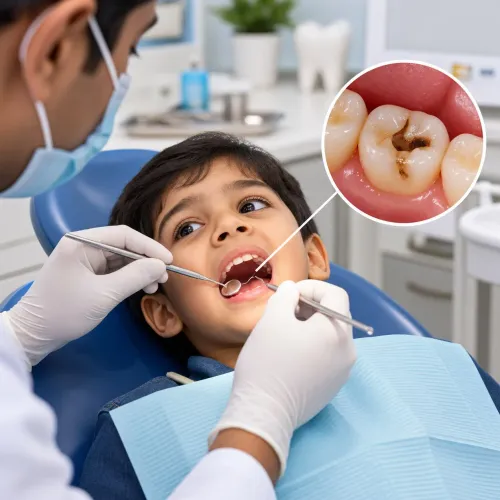
- Teeth: cavities, enamel changes, erupting teeth, and trapped food
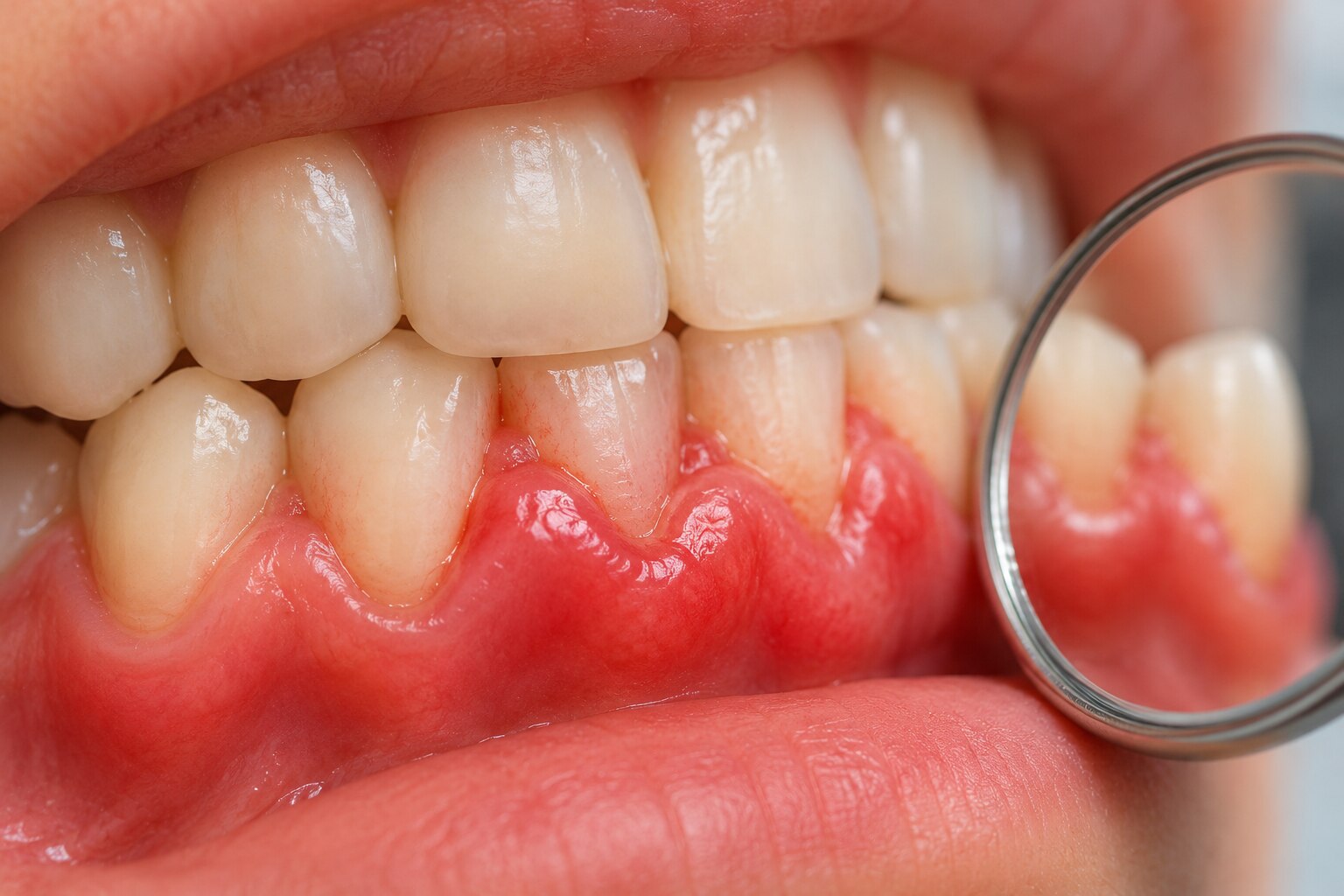
- Gums and soft tissues: swelling, bleeding, sores, and colour changes
- Tongue and mouth movement: mobility, lesions, and speech-related concerns
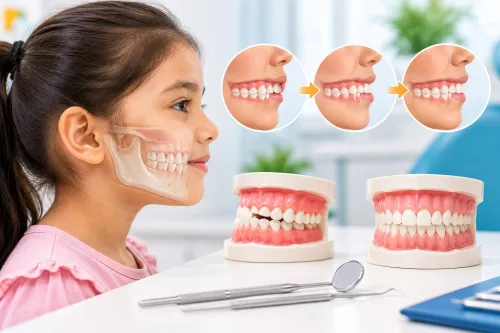
- Bite and jaw: tooth alignment, jaw movement, crossbite, and opening range
- Face and oral development: facial symmetry, swelling, and the child’s developmental stage
A frightened or shy child may be examined gradually using tell-show-do: the dentist explains an instrument, demonstrates it, and then uses it. Praise, distraction, simple questions, and non-verbal communication help the child take part.
For a young child, sitting on a parent’s lap or facing the parent during the examination is routine positioning, not a sign that treatment has failed.
If the child cries or refuses, the dentist can pause and build familiarity rather than force the examination. Crying alone does not mean sedation is needed; advanced behaviour-guidance techniques require a separate discussion of indications, risks, alternatives, and consent.
The visit may also include advice on child dental care, fluoride varnish after reviewing total fluoride exposure, or sealants for vulnerable permanent-molar grooves.
Why a First Dental Visit Matters Even Without Pain
Book the first dental visit by your child’s first birthday, or within six months of the first tooth appearing. Waiting for every baby tooth, a visible cavity, or toothache allows early decay and developing bite problems to progress unnoticed.
The appointment establishes a baseline for child dental care and gives you practical ways to protect the teeth at home. The dentist can spot early changes, check whether cleaning is effective, and set a recall interval based on your child’s decay risk rather than applying one schedule to every child.
Preventive advice may include:
- Brush twice daily with fluoride toothpaste. Use a smear, or rice-grain-sized amount, before age three; use a pea-sized amount from ages three to six, with an adult supervising to limit swallowing.
- Reduce frequent sugary snacks and drinks, which repeatedly expose teeth to acid.
- Review bottle or breastfeeding practices, especially feeding patterns around sleep.
- Discuss thumb-sucking or pacifier use if it affects tooth position or jaw development.
- Consider fluoride varnish when decay risk warrants it, after reviewing the child’s total fluoride exposure.
A pain-free visit does not automatically require dental X-rays. The dentist selects images according to age, symptoms, tooth development, previous findings, and caries risk, taking only those needed for diagnosis or treatment planning. The result is a preventive plan, not simply a search for something to fill.
Consultation, Treatment, and X-Rays Are Different Decisions
A consultation is an assessment and planning visit, not automatically a cleaning or procedure. During a kids dentist consultation for Gangadham, a pediatric dentist reviews medical history, medicines, allergies, habits, fluoride exposure, previous treatment, and the child’s decay risk before recommending care.
| Option | What it means | When it applies |
|---|---|---|
| Consultation | Examines teeth, gums, bite, development, habits, and risk; produces a care plan | First visits, concerns, or routine review |
| Cleaning | Removes plaque and deposits; fluoride varnish may be added for suitable decay risk | Visible buildup or preventive care, after considering total fluoride exposure |
| Filling | Repairs a confirmed cavity after the dentist assesses its depth | Decay has damaged the tooth; it is not part of every consultation |
| Orthodontic assessment | Evaluates bite, jaw growth, spacing, crowding, and oral habits | Concerns about alignment, thumb sucking, mouth breathing, or facial growth |
| Emergency care | Addresses pain, swelling, fever linked to a tooth, uncontrolled bleeding, or dental trauma | Seek prompt assessment rather than waiting for a routine appointment |
A dental X-ray is justified when age, symptoms, tooth development, earlier findings, or caries risk makes an image useful for diagnosis or treatment planning. It is not automatic at every first visit.
The dentist should request only the views needed; visible plaque, past decay, enamel defects, frequent sugar exposure, limited fluoride, saliva-related risks, and special health-care needs can affect that decision. A knocked-out permanent tooth needs urgent care; never replant a knocked-out primary tooth.
What to Bring, What to Ask, and When Not to Wait
Bring the child’s medical history, current medicines, allergies, previous dental records, and details of any injury. Note tooth pain, sensitivity, eating difficulty, brushing habits, thumb-sucking or pacifier use, sleep concerns, and the date of the last dental visit. Add information about fluoride toothpaste, drinking water, and frequent sugary snacks or drinks.
- Ask what the examination found and which problem needs attention first.
- Confirm whether treatment, monitoring, cleaning, an X-ray, or fluoride varnish is recommended, and why.
- Ask how total fluoride exposure affects any varnish recommendation; varnish prevents decay but does not fill a cavity.
- Clarify brushing instructions, feeding changes, pain relief, and the recall interval based on your child’s risk.
- Ask what behaviour guidance will be tried if your child refuses care, and discuss the indications, risks, alternatives, and consent requirements before advanced techniques.
- Request the warning signs that should trigger an earlier review.
Chordiya Clinic can help you use the consultation to separate a finding that needs treatment from one that needs observation, which prevents missed follow-up and unnecessary procedures.
Do not wait for a routine kids dentist appointment if your child has tooth-related pain with facial swelling or fever, uncontrolled bleeding after an injury, or a knocked-out permanent tooth. Seek prompt dental assessment.
If a primary tooth is knocked out, do not put it back into the socket; replanting can damage the developing permanent tooth. Start child dental care by age one, or within six months after the first tooth appears.
Related service
Consultation Consultation we shall be addressing to your chief complaints and associated health related queries. |
Frequently asked questions
What happens first at a kids dentist consultation in Gangadham?
Registration confirms your child’s name, age, contact details, appointment reason, and previous dental records before the consultation and examination.
What will a pediatric dentist ask and examine?
The dentist may ask about pain, eating, brushing, habits, medical history, and previous treatment, then inspect the teeth, gums, bite, jaw movement, and oral development.
Does a first dental visit require pain or dental X-rays?
No. A consultation can assess oral health and explain options without treatment or X-rays. The dentist recommends imaging only when the examination and symptoms justify it.
When should I seek urgent dental care for my child?
Contact a dentist promptly for facial swelling, fever with tooth pain, dental trauma, uncontrolled bleeding, or difficulty swallowing or breathing.