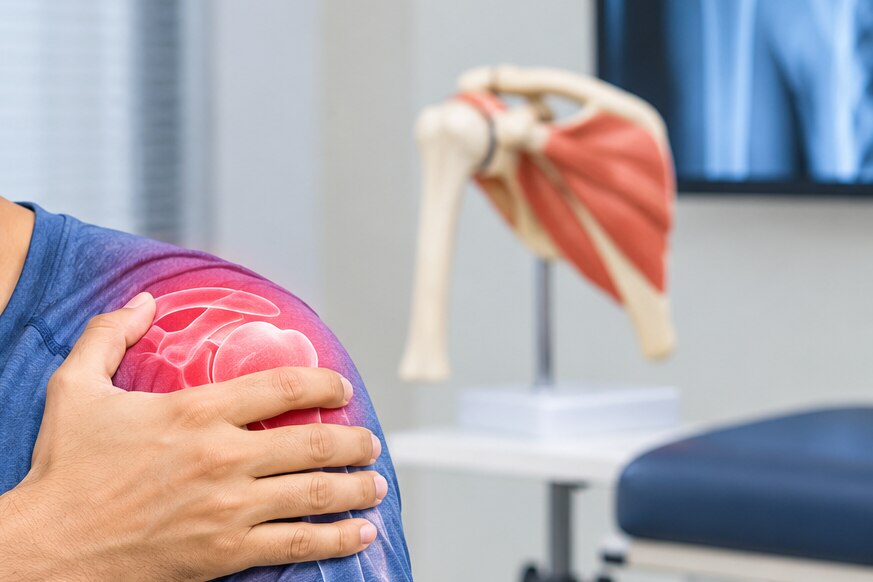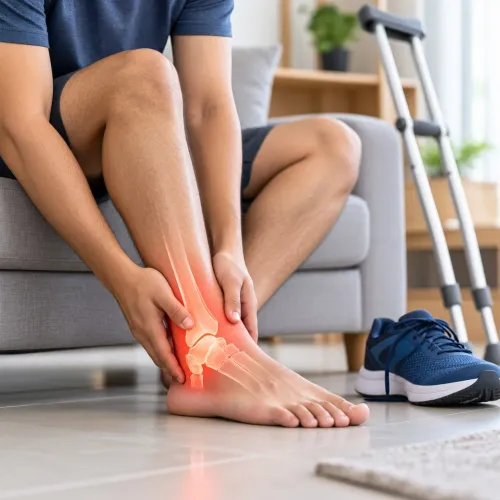
Joint pain does not always require a specialist, but certain symptoms make waiting risky: inability to bear weight, deformity, fever, rapid swelling, nerve changes, or pain that steadily limits normal activity. By the end, you will know when home care, primary care, physiotherapy, urgent assessment, rheumatology, or an orthopedic consultation is the right next step.
Key takeaways
- Seek same-day care for a hot, swollen joint with fever or chills.
- Choose an orthopedic doctor when pain limits walking, lifting, sleep, or daily activities.
- Arrange prompt assessment for knee locking, instability, or inability to bear weight.
- Prepare symptom timing, injury details, medicines, and previous scan reports.
Know when joint pain needs same-day medical assessment
A hot, red or swollen joint with fever, chills, or feeling acutely unwell needs same-day urgent assessment, not home treatment or a routine visit to a joint pain doctor in Pune. Septic arthritis can damage cartilage quickly and may require hospital treatment, joint-fluid testing, and antibiotics.
| Warning sign | Action | What it may indicate |
|---|---|---|
| Hot, swollen joint with fever or chills | Seek urgent medical care today | Joint infection |
| Visible deformity after a fall, collision, or twist | Attend urgent care immediately | Fracture or dislocation |
| Inability to bear weight, rapidly increasing swelling, or sudden severe pain after injury | Obtain same-day assessment | Fracture or major ligament injury |
| New numbness, weakness, or loss of normal movement | Seek prompt medical assessment | Nerve or serious structural injury |
| Back pain with trouble passing urine, loss of bowel control, numbness around the genitals or anus, or worsening weakness in both legs | Go to emergency care now | Possible cauda equina syndrome or severe nerve compression |
Do not wait for a routine appointment if symptoms are worsening over hours, the joint cannot move normally, or pain follows significant trauma. Emergency assessment is also safer than driving yourself when weakness, faintness, or severe pain affects your ability to walk.
Multiple swollen joints, symmetrical hand or foot pain, prolonged morning stiffness, psoriasis, inflammatory bowel disease, or eye inflammation points toward inflammatory arthritis. Arrange prompt medical care with a rheumatologist, who treats the underlying inflammation, rather than relying only on an orthopedic consultation.
Use time, function, and symptom patterns to choose the right clinician
If you are deciding when to see an orthopedic doctor for joint pain in Pune, use function and pattern—not pain intensity alone. Book an assessment if pain persists beyond 2–4 weeks, keeps returning, fails to improve after 1–2 weeks of sensible self-care, or disrupts walking, sleep, work, or routine tasks.
| Pattern | Best first contact | What points that way |
|---|---|---|
| New, unexplained pain without red flags | Primary care | You need an examination and a plan for medication, tests, or referral. |
| Pain after a strain with stable movement | Physiotherapy | Guided exercise can restore strength and movement after serious injury has been excluded. |
| Pain with prolonged morning stiffness, several swollen joints, symmetrical hand or foot symptoms, psoriasis, inflammatory bowel disease, or eye inflammation | Rheumatology | This pattern suggests inflammatory arthritis, which needs prompt medical treatment. |
| Pain after a fall or sports injury, inability to fully straighten a knee, locking, repeated giving-way, substantial swelling, or persistent loss of movement | Orthopedics | These features suggest a structural or mechanical problem requiring specialist examination. |
Choose orthopedics sooner for inability to bear weight, visible deformity, numbness, weakness, or rapidly worsening symptoms. A hot, red, swollen joint with fever, chills, or acute illness needs same-day urgent assessment, not a routine appointment.
For back pain, new urinary difficulty, loss of bowel control, numbness around the genitals or anus, or progressive weakness in both legs requires emergency care. Do not wait for a routine orthopedic appointment.
Knee symptoms that justify an orthopedic consultation
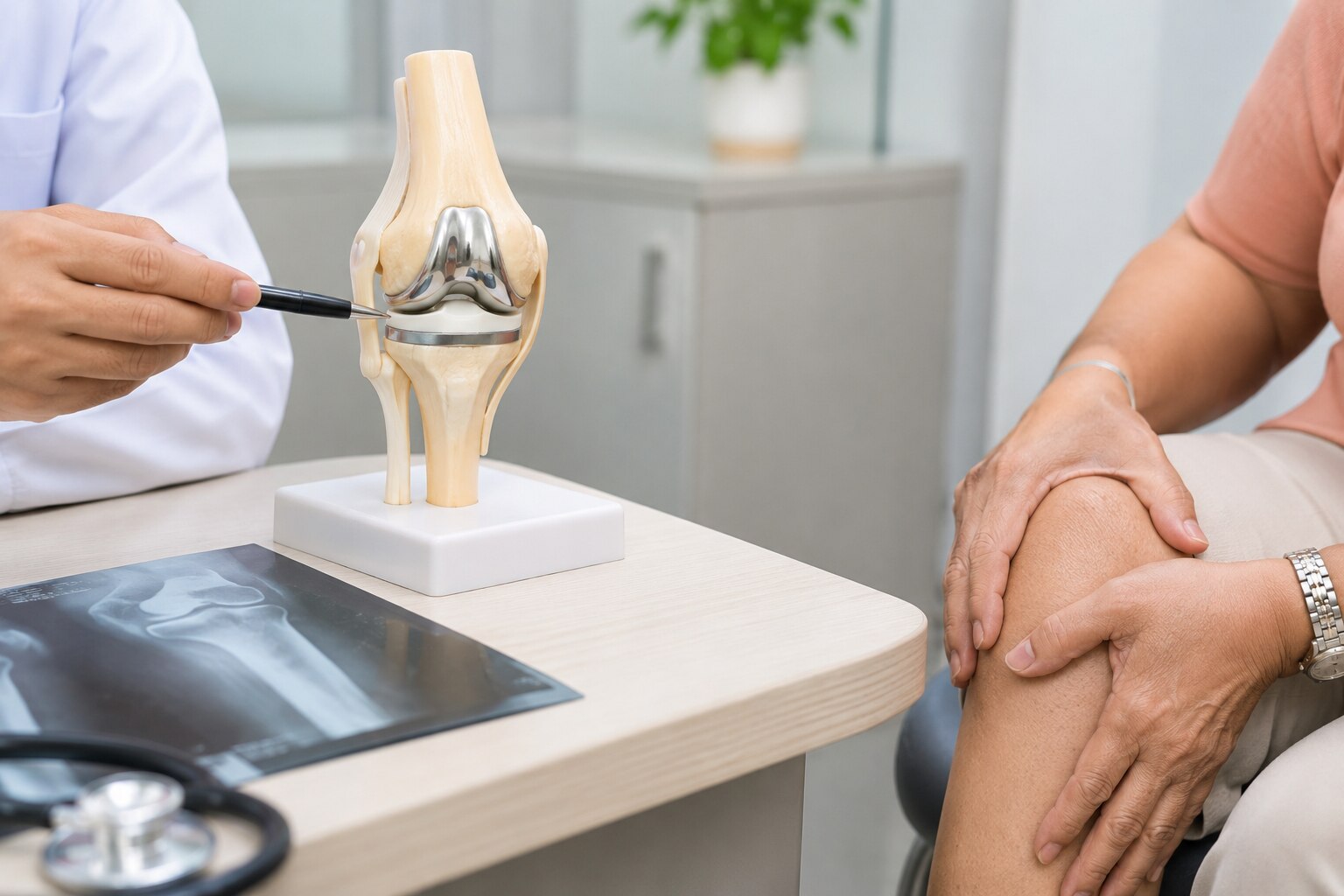
Book an orthopedic consultation for knee pain in Pune when symptoms affect stability, movement, or ordinary activities. After a fall, twist, or sports injury, inability to fully straighten the knee, repeated giving-way, locking, or marked swelling deserves prompt assessment because ligament, meniscus, cartilage, or bone damage may need targeted treatment.
| Feature | Why it matters | What to do |
|---|---|---|
| Locking | The knee catches or cannot move through its range, which can indicate a displaced meniscus or loose fragment. | Arrange an orthopedic assessment, especially if the knee stays stuck. |
| Giving way | Buckling during walking or turning suggests instability and increases fall risk. | Book a consultation if it repeats or follows an injury. |
| Swelling | Rapid, substantial swelling after injury can signal bleeding or internal damage; persistent swelling also needs explanation. | Seek prompt review rather than repeatedly treating it at home. |
| Stair difficulty | Pain or weakness while climbing or descending stairs shows that knee function is limited, not just uncomfortable. | Arrange assessment when it persists or restricts work, exercise, or daily tasks. |
| Loss of movement | Inability to bend or straighten fully can worsen stiffness and alter walking mechanics. | Get examined if movement does not return after a short period of rest. |
A single mild episode that steadily improves may respond to relative rest and simple measures. Consult sooner when pain lasts beyond two weeks, keeps returning, disrupts sleep, or fails to improve. Bring a brief timeline, previous scan reports and images, and a list of medicines.
A hot, red, swollen knee with fever needs same-day urgent care, not a routine appointment.
Back-pain warning signs that should not wait
New difficulty passing urine, loss of bowel control, numbness around the genitals or anus, or worsening weakness in both legs requires emergency care now. These symptoms can signal cauda equina syndrome or severe nerve compression, so do not wait for a routine appointment with a back pain orthopedic doctor in Pune.
Seek urgent assessment for back pain with any of these warning signs:
- New or progressive leg weakness, foot drop, or difficulty walking
- Numbness or tingling spreading down the leg, especially below the knee
- Pain after a significant fall, road accident, or sports injury
- Severe pain that begins suddenly or worsens rapidly
- Fever, chills, or feeling acutely unwell with a hot, red, swollen joint
- Inability to bear weight or a visible spinal deformity
Pain travelling below the knee with tingling, numbness, or weakness may be sciatica. A clinician checks strength, sensation, reflexes, and walking to decide whether you need emergency treatment, orthopedic review, or conservative care.
Book an orthopedic assessment when back pain persists beyond one to two weeks without improvement, keeps returning, disrupts sleep or work, or limits walking and daily activities. An orthopedic consultation is also sensible when pain follows an injury, even if the pain score seems manageable.
Choose emergency care instead when bladder, bowel, saddle-area sensation, or progressive leg weakness changes.
What happens at an orthopedic consultation and how to prepare
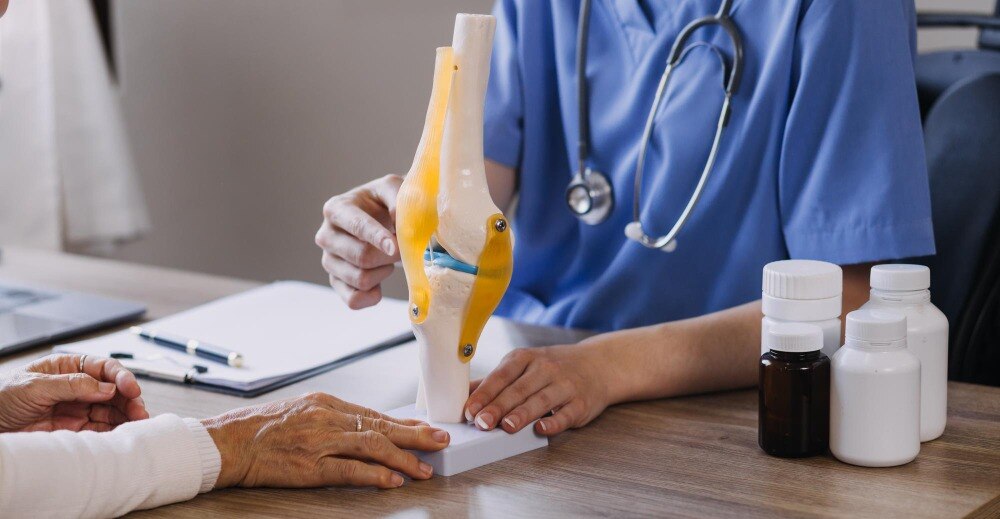
Expect the clinician to examine how you walk, stand, bend, and bear weight, then compare movement and strength on both sides. They will check swelling, warmth, tenderness, deformity, stability, and muscle loss.
Pain felt in the knee can come from the hip or spine, so a joint pain doctor in Pune may examine those areas too.
At an orthopedic consultation for knee pain in Pune, testing depends on the injury history and examination rather than pain intensity alone.
| Test | What it can show | When it is considered |
|---|---|---|
| X-ray | Fracture, alignment, arthritis, or bone change | After injury, deformity, restricted movement, or persistent symptoms |
| Ultrasound | Fluid, tendon problems, or some soft-tissue changes | When swelling or a superficial tendon problem needs assessment |
| MRI | Meniscus, ligament, cartilage, nerve, or deeper soft-tissue injury | Locking, giving-way, major swelling, or symptoms that persist |
| Blood tests or joint-fluid analysis | Inflammation, infection, or crystal arthritis | A hot swollen joint, fever, or suspected inflammatory disease |
Bring a short timeline covering the onset, injury mechanism, exact location, swelling or warmth, morning-stiffness duration, fever or rash, locking, giving-way, walking limits, treatments tried, and every medicine or supplement you take. Include previous radiology reports and image files.
If you attend Chordiya Clinic, bringing both can prevent duplicated scans and show whether findings have changed.
Related service
Consultation Consultation we shall be addressing to your chief complaints and associated health related queries. |
Frequently asked questions
When does joint pain need same-day medical assessment?
Seek same-day urgent assessment for a hot, red, swollen joint with fever, chills, or acute illness. Septic arthritis can rapidly damage cartilage and needs joint-fluid testing and antibiotics.
When should you see an orthopedic doctor for knee pain in Pune?
Arrange an orthopedic consultation when knee pain limits walking, sleep, work, or exercise, or when the knee locks, gives way, swells repeatedly, or cannot bear weight after an injury.
When should back pain be assessed by an orthopedic doctor?
Do not wait for routine care when back pain follows major trauma, causes leg weakness, progressive numbness, loss of bladder or bowel control, or numbness around the groin.
What happens during an orthopedic consultation?
The clinician reviews your symptoms, injury history, medicines, and previous treatment, then examines movement, strength, stability, sensation, and walking. X-rays or other tests are ordered when findings support them.
How should you prepare for an orthopedic consultation in Pune?
Bring scan reports, a medicine list, details of previous treatment, and a short record of when symptoms began, what worsens them, and how they limit daily activities.
Keywords